How to Build Scalable Backend Systems with Node.js
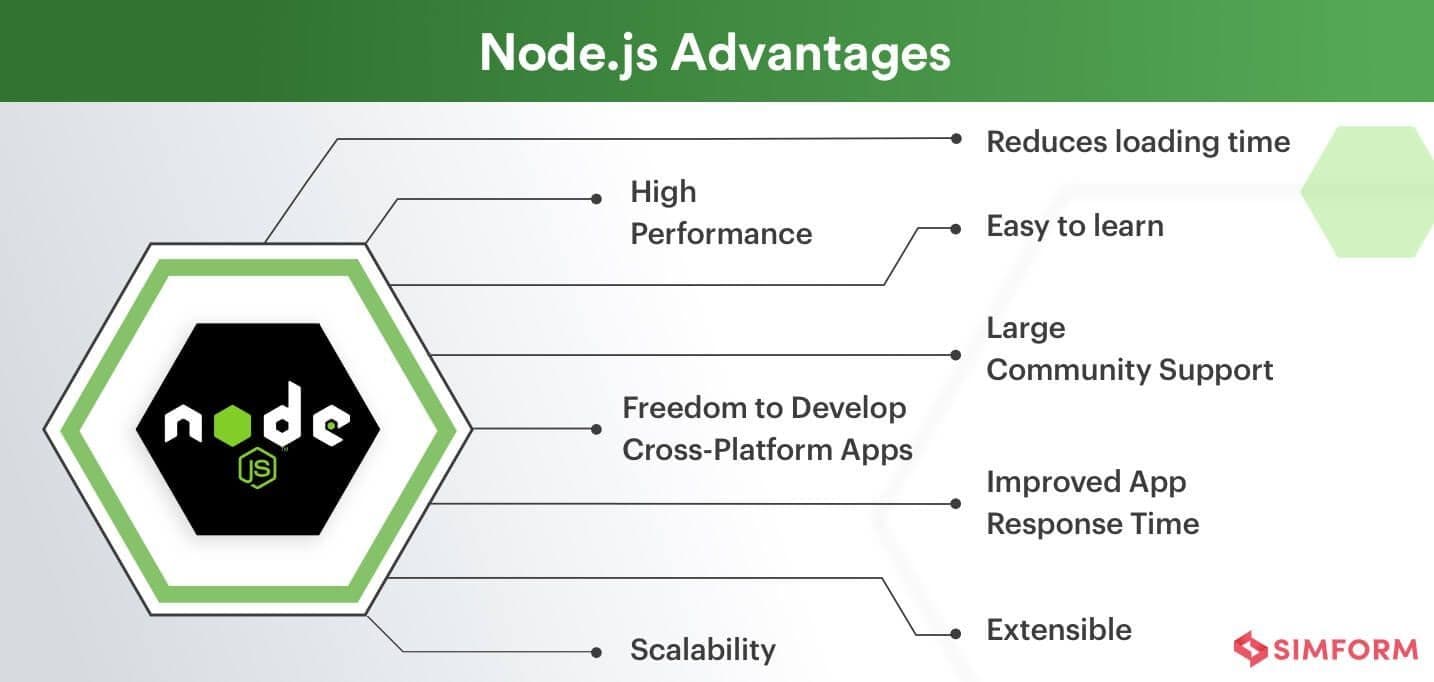
Building scalable backend systems is no longer optional—it is a necessity in modern software engineering. As applications grow in users, data, and complexity, backend systems must handle high traffic, maintain performance, and remain reliable. Node.js has emerged as a powerful runtime for building scalable systems due to its non-blocking architecture and event-driven design.
This guide provides a structured and practical roadmap to help you understand how to design and build scalable backend systems using Node.js efficiently.
1. Understanding Backend Scalability
Before writing any code, you must understand what scalability actually means.
Scalability refers to a system’s ability to handle increasing load without performance degradation. This includes handling more users, more requests, and more data efficiently.
There are two main types:
- Vertical Scaling: Increasing server power (CPU, RAM)
- Horizontal Scaling: Adding more servers to distribute load
Modern systems rely heavily on horizontal scaling.
2. Why Node.js for Scalable Systems
Node.js is built on a non-blocking, event-driven architecture, making it ideal for high-concurrency applications.
- Single-threaded but handles multiple requests using the event loop
- Asynchronous processing reduces waiting time
- Lightweight and fast for I/O-heavy applications
- Large ecosystem (npm)
Key insight: Node.js excels in handling many simultaneous connections rather than CPU-heavy tasks.
3. Project Structure (Foundation of Scalability)
A poorly structured backend will fail as it grows.
Follow a clean architecture:
- Controllers (handle requests)
- Services (business logic)
- Models (database interaction)
- Routes (API endpoints)
- Middlewares (authentication, logging)
Goal: Separation of concerns for maintainability and scalability.
4. Asynchronous Programming (Core Concept)
Scalability in Node.js depends heavily on asynchronous execution.
- Callbacks (basic level)
- Promises
- Async/Await (preferred)
Proper async handling prevents blocking operations and improves throughput.
5. Database Design & Optimization
Database performance is often the bottleneck in scalable systems.
- Use indexing for faster queries
- Normalize or denormalize based on use case
- Use connection pooling
- Choose the right database (SQL vs NoSQL)
Example: MongoDB for flexible data, PostgreSQL for relational integrity.
6. Caching (Performance Booster)
Caching reduces database load and speeds up responses.
- Use Redis or in-memory caching
- Cache frequent queries
- Implement TTL (time-to-live)
This dramatically improves performance under heavy traffic.
7. Load Balancing
To scale horizontally, you must distribute traffic across multiple servers.
- Use load balancers (NGINX, cloud-based)
- Distribute incoming requests evenly
- Prevent server overload
This ensures high availability and fault tolerance.
8. Microservices Architecture
As applications grow, monolithic systems become hard to manage.
- Break system into smaller services
- Each service handles a specific function
- Communicate via APIs or message queues
Benefit: Independent scaling and easier maintenance.
9. API Design Best Practices
Well-designed APIs are critical for scalable systems.
- Use RESTful principles
- Implement pagination
- Use proper status codes
- Validate inputs
Clean APIs reduce unnecessary load and improve efficiency.
10. Error Handling & Logging
Scalable systems must handle failures gracefully.
- Centralized error handling
- Logging tools (Winston, Morgan)
- Monitor system health
This helps in debugging and maintaining reliability.
11. Security (Non-Negotiable)
Security becomes more critical as systems scale.
- Authentication (JWT, OAuth)
- Data validation and sanitization
- Rate limiting
- HTTPS enforcement
Never compromise security for speed.
12. Deployment & DevOps
Scalability also depends on how systems are deployed.
- Use containerization (Docker)
- CI/CD pipelines
- Cloud platforms (AWS, Azure, GCP)
Automated deployments reduce errors and improve scalability.
13. Performance Monitoring
You cannot scale what you cannot measure.
- Use monitoring tools
- Track CPU, memory, response time
- Identify bottlenecks
Continuous monitoring ensures system stability.
14. Common Mistakes to Avoid
- Blocking the event loop
- Poor database design
- Ignoring caching
- Overengineering too early
15. Final Advice
Scalability is not a feature—it is a design mindset. You must think about performance, structure, and growth from the beginning.
Node.js provides the tools, but architecture determines success. Focus on clean code, efficient design, and real-world problem solving.
If you apply these principles consistently, you will be able to build backend systems that can handle real-world scale efficiently.